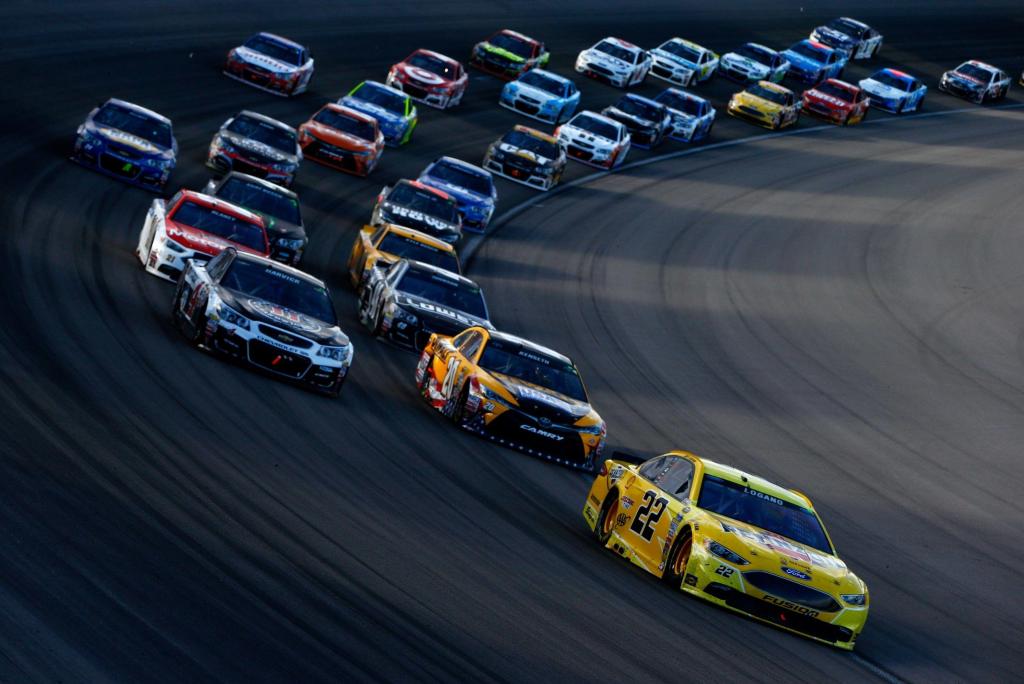
When Michael Jordan stepped into the courtroom this week, it wasn’t just a high‑profile celebrity making headlines, it was a dramatic flashpoint for one of the core debates in modern sports: who controls the story, the money, and ultimately, the league itself. The antitrust lawsuit filed by Jordan’s 23XI Racing (alongside plaintiffs like Front Row Motorsports) alleges that NASCAR’s charter system and business practices amount to monopolistic control over top‑level stock‑car racing.
At its heart, the case isn’t just about internal politics or track placements, it raises foundational questions about sports communication, equity, and the relationship between leagues, teams, and fans.
Power Dynamics: Who Holds the Mic?
Traditionally, major sports leagues operate under a shared governance model: team owners collectively influence policy, league rules, scheduling, and revenue sharing. NASCAR has long functioned under a top-down structure: one entity setting terms for all teams, including charters that guarantee entry and a slice of revenue under strict conditions.
According to the plaintiffs, that system effectively stifles competition. Teams that refused to sign the latest charters, including 23XI and Front Row, argue they were backed into a “take-it-or-leave-it” deal.
From a communications standpoint, that means a handful of decision‑makers control the narratives: who gets to compete, whose stories get told, and who makes money. That dynamic raises major concerns about transparency, fairness, and fan trust.
Media, Narrative, and Fan Engagement
In sports communication, legitimacy and narratives matter. When one organization holds monopoly power over entry, payouts, and structural rules, it controls much of what fans see, hear, and know. As the trial proceeds, internal communications have already been exposed, including harsh language from league executives about team owners, and threats to suppress rival events, casting a spotlight on power imbalances behind closed doors.
That kind of revelation matters. Fans not only follow races, but they also invest emotionally in teams, drivers, and rivalries. If the system that produces those races is perceived as unfair or rigged, it can erode fan loyalty, engagement, and respect for the sport’s integrity. In today’s age of social media and instant commentary, the story behind the sport can matter as much as what happens on the track.
Financial Transparency & Sustainability
A core issue for the plaintiffs: racing a single car for a full season reportedly costs around $20 million, while charter payouts, the guarantee NASCAR offers, can fall short of that, especially if teams lack flexibility or control over expenses.
When teams struggle financially despite competing at the highest level, those economic pressures ripple through roster depth, performance, and long-term viability. For fans paying attention, that weakens the appeal. And for sports communicators and media, it raises ethical and practical questions: should coverage focus solely on track performance, or also shine a light on the business structures sustaining (or undermining) the sport?
The Future of League Structure & Fan Voice
If the plaintiffs win, we could be witnessing a major shift: a move away from a “single‑operator” model toward something more akin to major sports leagues where teams hold more power, share governance, and influence business decisions. According to experts quoted in coverage, a win “could force NASCAR to transform itself… in a way that gives teams equity and a real voice.”
From a sports‑communication perspective, that’s vital. It means more diverse voices within the sport. It opens the door for more transparent media coverage, not just of wins and losses, but of governance, finances, and fairness. It makes power structures accountable, subject to scrutiny by fans, journalists, and the public at large.
Conclusion: Why This Lawsuit Matters to More Than Just Racing
The current lawsuit is about much more than charters or car entries. It cuts to the core of sports culture and communication: who owns the narrative, who gets heard, and who gets left behind. For fans, media, and participants, the stakes are high. A ruling in favor of 23XI Racing and its partners could reshape motorsports, not by changing who wins races, but by changing who wins control.
As the trial unfolds, one thing is clear: in the modern sports landscape, how the sport is organized is becoming as important as what happens on the track. And fans are paying attention.


 Sports Comm Blog
Leave a comment